Plugging In Your Brain: The Wild, Real, and Rapidly Approaching World of Consumer Neural Interfaces
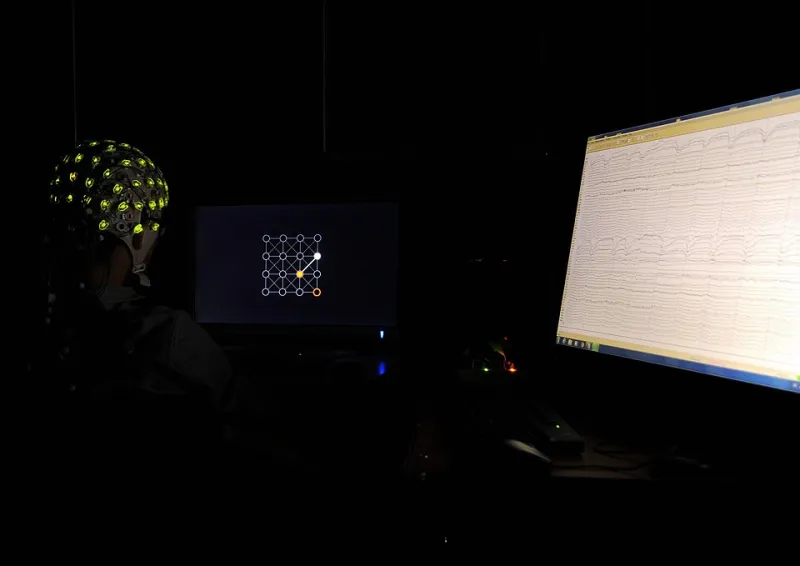
Photo: Laurens R. Krol, CC BY 4.0, via Wikimedia Commons
Not long ago, the idea of a device that reads your thoughts felt like something borrowed from a Philip K. Dick novel or a late-night conversation after too much coffee. Today, it's a line item in venture capital portfolios. Brain-computer interfaces—BCIs, if you want to sound like you belong in the room—are moving faster than most people realize, and the early adopter window is cracking open whether the mainstream is ready or not.
Let's get into it.
What We're Actually Talking About
First, a quick reality check. When most people hear "brain-computer interface," their mind jumps to Neuralink's surgical implants or some dystopian vision of government-mandated thought surveillance. The more immediate story is far less dramatic—and honestly, more interesting.
Non-invasive BCIs, devices that sit on the outside of your skull and pick up electrical signals from your brain, are the ones actually making commercial headway right now. Think EEG-based headsets that detect patterns in your neural activity without a single incision. Companies like Emotiv and Neurosity have been quietly selling developer-grade headsets for years, letting researchers, coders, and curious tinkerers build apps that respond to mental states like focus, stress, or calm.
More recently, the field has leveled up. Precision Neuroscience, Synchron, and yes, Neuralink are pushing the invasive side of the equation—but those are still largely clinical stories aimed at people with paralysis or neurological conditions. The consumer frontier is where things get genuinely weird and genuinely exciting.
The Startups You Should Be Watching
If you're the type who likes to know about a company before it becomes a household name, here are a few worth bookmarking.
Neurosity has carved out a niche with its Crown headset, a device built specifically for developers and knowledge workers. The pitch is simple: wear it while you code, and software adapts to your mental state in real time. Flow state detection isn't magic—it's signal processing—but the practical applications are compelling enough that productivity-obsessed early adopters are paying attention.
Emotiv has been in this space longer than almost anyone, and their latest hardware pushes toward genuine consumer accessibility. They've worked with researchers across the US and internationally, and their SDK ecosystem is robust enough to support everything from accessibility tools to experimental gaming interfaces.
Synchron is doing something genuinely different on the implant side. Rather than drilling into the skull like Neuralink, they thread a device called the Stentrode through blood vessels into the brain. It's less invasive, and the FDA has already cleared them for clinical trials in the US. That regulatory milestone matters more than it sounds—it means the agency is developing a framework for thinking about these devices, which is a prerequisite for any consumer future.
The Regulatory Maze (And Why It's Actually Moving)
The FDA doesn't exactly have a "brain gadgets" checkbox on their approval forms—at least not yet. BCIs fall into a complex web of medical device classifications, and the regulatory path varies wildly depending on what the device claims to do.
Here's the nuance most coverage misses: non-invasive headsets that make no medical claims can get to market without FDA approval. That's why you can already buy a consumer EEG headset on Amazon. But the moment a company wants to say their device treats anxiety, improves cognitive performance, or interfaces with medical systems, the regulatory burden jumps significantly.
The FDA has been signaling that they're actively building out guidance for neural interface technology. In 2023, they published a discussion paper on implanted BCIs that acknowledged the technology's pace and the need for adaptive frameworks. For startups, that's actually good news—it means the agency is engaging rather than stonewalling.
What Early Adopters Need to Think About
Okay, so you're intrigued. Maybe you're already browsing headset specs. Before you swipe your card, there are a few things worth sitting with.
Your brain data is not like your step count. Fitness trackers collect motion data. BCIs collect neural patterns—information about your attention, emotional states, and cognitive rhythms. The privacy implications are genuinely different in kind, not just degree. Ask hard questions about where that data lives, who can access it, and what the company's data retention policies look like. Most current consumer-grade companies are small enough that a data breach or acquisition could change the answers overnight.
The signal-to-hype ratio varies wildly. Some companies are making claims about their technology that outpace what the science actually supports. "Reading emotions" or "detecting intent" sounds compelling in a pitch deck, but EEG signals are noisy, individual variation is huge, and what works in a controlled lab setting often degrades in the real world. Healthy skepticism isn't cynicism—it's just good early adopter hygiene.
Accessibility and equity deserve a seat at the table. The most transformative near-term applications for BCIs aren't productivity hacks for tech workers—they're communication tools for people with ALS, mobility aids for those with paralysis, and cognitive support for neurological conditions. How this technology gets priced, distributed, and regulated will determine whether it becomes another luxury gadget or something with genuine social impact. That's a conversation worth having now, before the market calcifies.
The Bigger Picture
Here's what's easy to miss when you're focused on the gadget-by-gadget details: we're watching the early formation of an entirely new category of human-computer interaction. The keyboard replaced the punch card. The touchscreen replaced the keyboard for a huge swath of daily computing. BCIs aren't going to replace touchscreens next Tuesday, but the directional arrow is pretty clear.
The companies building in this space today are writing the early chapters of how humans and machines will eventually communicate at something closer to the speed of thought. That's not hype—it's a reasonable extrapolation from where the science and the investment dollars are pointing.
For the FutureVerse crowd, the move is to stay informed, stay skeptical, and maybe—just maybe—try one of the developer-grade headsets and see what the fuss is about firsthand. The future rarely announces itself politely. Sometimes you have to strap a sensor array to your head and find out.