REM, Inc.: How Big Sleep Turned Eight Hours Into a Product
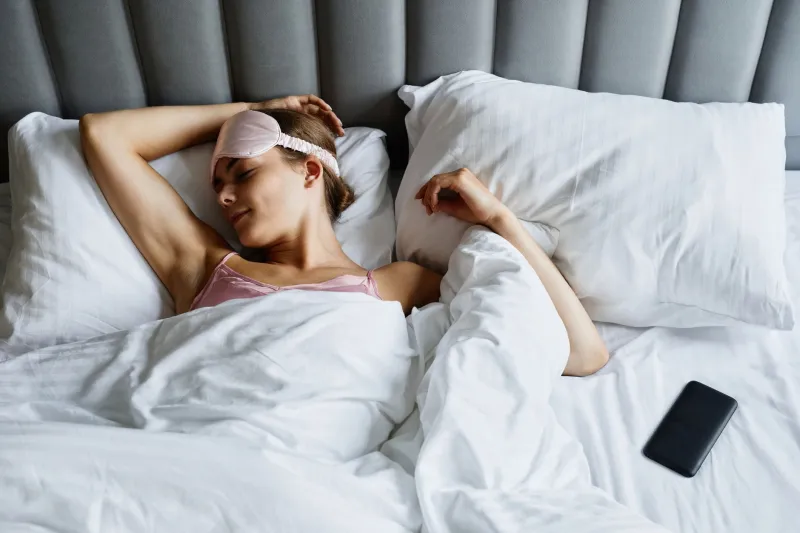
There's a moment — usually around 2 p.m., somewhere between your third coffee and a calendar reminder you've been ignoring — when the thought hits: I would pay real money for a nap.
Turns out, plenty of companies are betting you will.
The sleep economy — wearables, smart beds, white-noise subscriptions, melatonin gummies, blackout curtains engineered like NASA hardware — is on track to blow past $800 billion globally in the next few years. In the US, where the CDC estimates a third of adults don't get enough rest, sleep has stopped being something you do and started being something you optimize. And like every optimization story before it, this one comes with a catch.
Your Mattress Has an API Now
Walk a CES floor these days and you'll find mattresses that adjust firmness based on your heart rate, pillows that mute your partner's snoring with targeted audio, and rings — the Oura being the breakout star — that track everything from body temperature to sleep stages with clinical-grade ambition.
These aren't gimmicks, exactly. The underlying science is real: sleep is when your brain flushes waste, consolidates memories, and recalibrates everything from appetite to mood. The problem isn't that the tech doesn't work. It's what happens next.
Because your sleep data doesn't stay in your bedroom.
The Insurance Company Loves Your Deep Sleep
Here's the part nobody puts on the box: tracking rings and smart mattresses generate exactly the kind of continuous, longitudinal health data that insurers have dreamed about for decades. Some wellness programs already offer premium discounts for hitting activity goals. Sleep is the obvious next frontier — imagine a rebate for seven consecutive nights above 85% sleep quality.
Sounds nice, right? Free money for sleeping well. Except sleep quality correlates with income, job stress, chronic illness, and whether you work a night shift. A system that rewards good rest is, functionally, a system that penalizes bad circumstances. And once an actuary knows your REM trends, it's hard to un-know them.
There's no federal law stopping most of this. HIPAA doesn't cover consumer wearables. Your sleep score is protected by roughly the same legal framework as your grocery store loyalty card.
When HR Asks About Your HRV
The more immediate wrinkle is workplace. A handful of forward-leaning employers already subsidize sleep tech as a wellness benefit — a generous-sounding perk that quietly normalizes the idea that your rest is company-relevant data.
It's not hard to see where this slides. If your wearable shows you averaging five hours a night, does your manager's 'concern' become a performance conversation? Do shift workers get scheduled differently based on their recovery scores? Companies like the trucking and aviation industries already mandate rest through hours-of-service rules. The difference is those are regulated, negotiated, and public. A dashboard of personal biometrics is none of those things.
The optimist's version: sleep data forces companies to take fatigue seriously, the way OSHA forced them to take physical safety seriously. The pessimist's version: your bed becomes a second supervisor. Both futures are technically possible. Only one of them requires new laws.
The Optimization Trap
Then there's the quieter problem, the one sleep scientists keep trying to warn us about: chasing perfect sleep can wreck your sleep.
It's called orthosomnia — a term researchers coined after discovering that some patients wearing trackers became so anxious about their sleep metrics that the anxiety itself degraded their rest. The tracker says you slept badly; you feel terrible about it; the feeling keeps you up. The tool designed to fix the problem becomes the problem.
There's something almost poetic about it. We took the one human activity that requires absolutely no effort and made it a KPI. Rest, the original zero-task, now comes with a dashboard, a streak, and a mild sense of dread.
So Should You Buy In?
Look — the tech isn't evil. A smart mattress that eases your partner's apnea is genuinely life-changing. A ring that reveals you're drinking your last coffee too late is a cheap, useful discovery. For the millions of Americans with undiagnosed sleep disorders, these devices can be the nudge that gets them to a real sleep clinic.
The sane version of the sleep economy looks like this: your data stays yours, employers see aggregate trends instead of individual scores, and the devices are tools, not judges.
The version we actually get depends on how loudly we ask for it. Because sleep is the last luxury precisely because everything else — your attention, your location, your heart rate — has already been claimed. Eight quiet hours is the final unmonitored territory in American life.
Guard it accordingly. Then, you know, get some rest.